Easy Homeschool Supplies List for New Parents
This homeschool supply list is your secret weapon for ditching the chaos that often creeps into our homes when we embark on the homeschooling adventure. Does your dining table double as a classroom, perpetually cluttered with scattered papers and dried-out markers? I totally get it! Imagine instead a serene, organized learning space where everything has its place, sparking joy and focus for your little learners. Achieving this organized oasis is surprisingly achievable, often costing under $200 and taking just a weekend to set up. In this article, I’ll walk you through exactly what you need to gather, from essential writing tools to smart storage solutions, so you can confidently create a functional and inspiring environment for your new homeschool journey.
Homeschool Supply List: Must-Have Supplies for New Homeschoolers
Embarking on the homeschooling journey is an exciting adventure, and one of the first practical steps you’ll take is assembling your learning environment. This isn’t just about buying pencils and paper; it’s about creating a space that fosters curiosity, supports focused learning, and, importantly, doesn’t add to the chaos of family life. As a seasoned homeschooler myself, I’ve learned a thing or two about what truly makes a difference. Let’s dive into creating your perfect homeschool supply list, keeping in mind that organization and thoughtful planning are just as crucial as the items themselves.
Laying the Groundwork: Planning Before You Purchase
Before you even think about hitting the stores or browsing online, the most important step is to assess your needs. This involves a bit of measurement and a lot of honest reflection.
Measuring Your Space
First, measure the designated homeschool area. Is it a dedicated room, a corner of the living room, or perhaps a section of a larger bedroom? Knowing the exact dimensions will prevent you from buying storage solutions that are too big or too small. For example, if you have a 5ft x 3ft corner to dedicate, a large modular desk might be out, but a compact wall-mounted unit could be perfect. Even if it’s a shared space, mentally (or with a tape measure) mark out your learning zone. This visual boundary helps define the space for both the children and yourself.
Assessing Your Curriculum and Learning Style
What subjects will you be covering? Do you anticipate a lot of hands-on crafts, science experiments, or predominantly book-based learning? Some curricula might require specific materials. For instance, a visual arts-heavy approach will necessitate a larger supply of paints, brushes, and paper, while a math-intensive program might need more manipulatives and graphing tools. Consider your child’s learning style too. Do they thrive with tactile activities, or are they more engaged by digital resources? This will influence the types of supplies you prioritize.
Budgeting for Success
Let’s talk money. While it can seem daunting, you can create a functional and inspiring homeschool space without breaking the bank. Here’s a rough breakdown of potential costs for a new homeschooler, assuming you’re aiming for a well-equipped but not extravagant setup for one child:
* **Storage Solutions:** This is where you might spend a good portion. Shelving units, bins, drawers, and magazine holders can range from $50 to $300 depending on the type and quality. For example, a basic 3-shelf cube organizer might be $40, while a more robust four-drawer rolling cart could be $80.
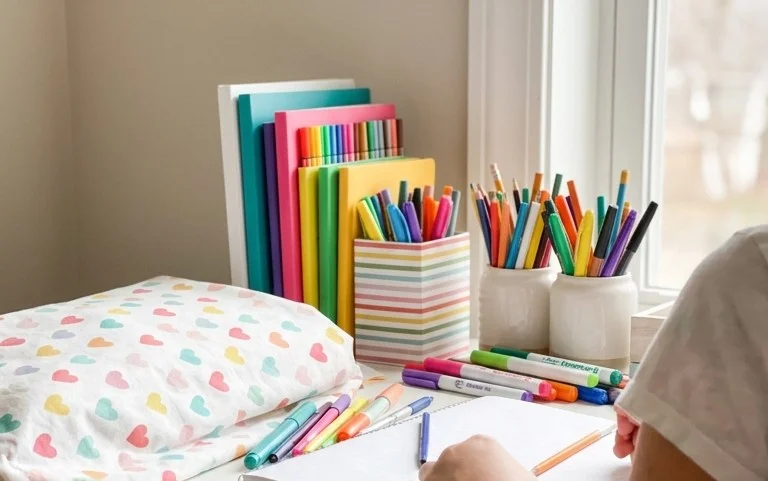
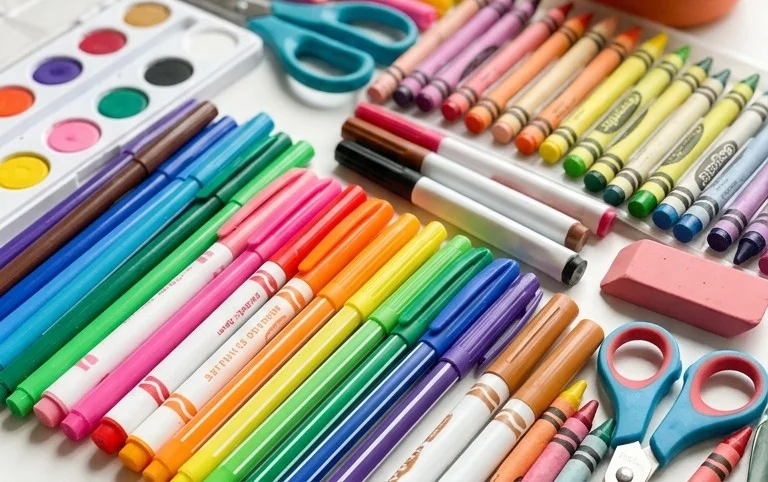
* **Writing and Art Supplies:** Pencils, pens, markers, crayons, colored pencils, notebooks, sketchpads, scissors, glue sticks: budget $50-$100. A good set of Crayola markers is around $15, a pack of 12 No. 2 pencils is $5, and a multi-subject notebook can be $3-$5.
* **Organizational Tools:** Binders, dividers, folders, a label maker (optional, but highly recommended), and a good stapler: $30-$70. A set of 10 binders might be $25.
* **Desk Accessories:** A desk lamp, pencil cups, and a small waste bin: $30-$60. A decent LED desk lamp can be $25.
* **Learning Manipulatives/Tools:** Depending on curriculum, this could include math blocks, maps, globes, or science experiment kits. This is highly variable, from $50 to $200+. A basic world globe might be $30.
This rough estimate totals between $210 and $730. Remember, you can build this over time. Don’t feel pressured to buy everything at once.
Your Numbered Walkthrough to a Functional Homeschool Space
Here’s a practical, step-by-step process for setting up your homeschool supply system.
1. **Define Your Learning Zone:** Based on your measurements, identify the specific area. This could be a corner of a room, a desk in the kitchen, or a dedicated nook.
2. **Assess Existing Furniture:** See what you already have that can be repurposed. A sturdy bookcase, a side table, or even a large trunk can become valuable storage.
3. **Prioritize Essential Storage:** Based on your space and curriculum needs, decide on your core storage. For a small space, vertical storage is key. Think wall-mounted shelves, a narrow rolling cart, or stackable bins. For larger spaces, a cube organizer or a small desk with integrated drawers can be great.
4. **Gather Writing and Art Essentials:** Stock up on basics. Ensure you have enough notebooks, pencils, pens, and a good set of coloring tools.
5. **Invest in Flexible Organization:** Binders, folders, and magazine holders are your best friends for keeping papers tidy. Consider how you’ll store current projects versus archived work.
6. **Add Desk Comforts:** A good lamp for focused work and a comfortable seating arrangement are important. Ensure there’s a small bin for immediate trash.
7. **Plan for Manipulatives and Special Items:** Designate specific bins or shelves for math manipulatives, science kits, or any unique learning tools.
8. **Implement a System of Labeling:** This is crucial for maintaining order. Label shelves, bins, and even drawers. It takes the guesswork out of putting things away.
Adapting for Small Spaces and Rentals: No Drilling Required!
Living in a smaller home or a rental where you can’t make permanent alterations doesn’t mean you can’t have a fantastic homeschool setup.
Small Space Solutions
* **Vertical Space is Your Friend:** Wall-mounted shelves (using adhesive hooks or tension rod shelving), over-the-door organizers, and tall, narrow bookcases maximize vertical real estate.
* **Multi-Functional Furniture:** A desk with built-in storage, ottomans with hidden compartments, or a rolling cart that can be tucked away when not in use are invaluable.
* **Clear, Stackable Bins:** These allow you to see contents and stack efficiently. Aim for bins that fit neatly on existing shelves or within cabinets.
* **Pegboards:** These are fantastic for hanging small supplies, art tools, and even small shelves. They come with adhesive backing or can be propped up.
Rental-Friendly Strategies
* **Adhesive Solutions:** Command hooks, adhesive shelf strips, and tension rod systems are lifesavers. You can create wall storage without damaging paint.
* **Freestanding Units:** Opt for bookcases, cube organizers, and rolling carts that don’t require assembly that permanently alters the space.
* **Utilize Existing Storage:** Look at closets, cabinets, and built-in shelving as potential homeschool hubs.
* **Portable Workstations:** A folding table or a large lap desk can be set up and put away as needed, making any corner a temporary learning zone.
Styling Notes: Where Function Meets Aesthetics
Even with limited space, your homeschool area can be beautiful and inspiring.
* **Color Palette:** Choose calming, natural colors like soft blues, greens, or muted earthy tones. These promote focus. Add pops of brighter colors with art supplies or decorative bins.
* **Texture:** Incorporate natural textures like wood, woven baskets, or fabric bins to add warmth and visual interest.
* **Placement:** Place frequently used items at child-accessible heights. Bookshelves can hold curriculum, binders, and decorative items. Art supplies can go in drawers or bins on a lower shelf.
* **”In-Use” Aesthetics:** Once learning is in progress, it’s okay for things to look a bit lived-in! The goal isn’t a sterile showroom. Organized chaos is still a form of organization. Keep main supply zones tidy, and let the learning materials out during the day.
Keeping it Tidy After Week One: Habits for the Long Haul
The initial setup is just the beginning. Maintaining order requires consistent habits.
* **The “5-Minute Tidy”:** At the end of each learning day, dedicate 5 minutes to putting materials back in their designated spots. This prevents clutter from accumulating.
* **Regular Decluttering:** Weekly or bi-weekly, take 15 minutes to review papers, artwork, and supplies. Discard what’s no longer needed and file away completed work.
* **Child Involvement:** Teach your children where things belong and involve them in the tidying process. Make it a shared responsibility.
* **One-In, One-Out Rule:** For frequently used items like notebooks or markers, consider the “one-in, one-out” rule to prevent overstocking.
Mistakes That Make This Fail
Every new homeschooler makes a few missteps. Recognizing them can save you time and frustration.
* **Overbuying:** Resist the urge to buy every shiny new organizational gadget. Start with the essentials and add as you discover specific needs.
* **Underestimating Space:** Not accurately measuring your space or considering furniture placement can lead to a cramped or inefficient learning area.
* **Lack of a System:** Without clear homes for items and consistent tidying habits, even the most beautiful setup will devolve into chaos.
* **Ignoring Child Input:** What looks organized to you might be cumbersome for your child. Involve them in the process of deciding where things should go.
* **Not Adapting:** Your needs will evolve. Be prepared to tweak your system as your child grows and your curriculum changes. The perfect homeschool setup is a dynamic one.
Creating a functional and organized homeschool supply system is an investment in your child’s education and your family’s peace of mind. By planning thoughtfully, utilizing smart storage, and establishing good habits, you can build a learning environment that is both efficient and inspiring. Happy organizing!
Conclusion
Setting up a well-organized homeschool space truly makes a difference in your day-to-day learning environment. It transforms potential chaos into calm, allowing for focused learning and joyful discovery. Don’t feel overwhelmed by the entire list; your smallest possible first step could be as simple as designating one shelf for writing materials and paper, or creating a “reading nook” with a comfy cushion and a basket for books. For a different room or budget, consider a dedicated ‘art cart’ for creative supplies or repurposing an existing cupboard for science experiments.
Ready for More Inspiration?
We’re excited to help you continue building a nurturing and effective homeschool environment. Explore our other articles for more ideas on creating functional and beautiful spaces!